Motorcycle Repair Shop Software
Manage Every Motorcycle Repair Job From Estimate to Paid Invoice
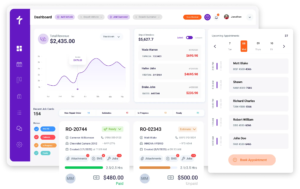
Motorcycle repair shops run on fast turnarounds, specialty parts, and customers who expect to know what is happening to their bike before they hear back from anyone. Torque360 motorcycle shop management software gives you one system where every repair order, parts status, technician hour, and customer approval lives. Trusted by 1,000+ repair shops across motorcycle, auto, truck, RV, and powersports.
From Appointment to Invoice in One Platform
How Does It Work?
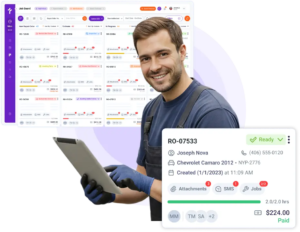
Every motorcycle shop runs the same core loop. Torque360 motorcycle repair shop software connects each step so your service writer, technician, and customer are always on the same page. No manual handoffs, no duplicate data entry, no status guessing.


Customer Feedback
Best Motorcycle repair software
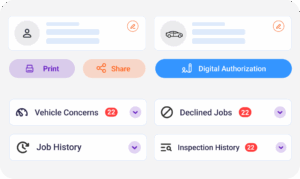
What really sets this platform apart is the seamless integration of the digital authorization feature with an incredibly intuitive user interface. The inspection module operates with impressive efficiency, while the dynamic job boards have become essential for maintaining an organized workflow and keeping our team on track. Overall, the ease of use and streamlined design make managing our daily operations feel effortless.
Charles G – Owner Automotive










How Does a Motorcycle Shop Go From Booked to Billed
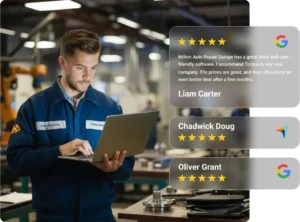
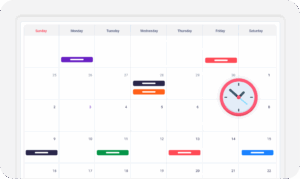
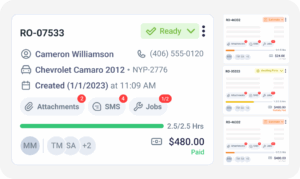
Motorcycle shops deal with fast-turnaround jobs, seasonal rushes, and multi-bike days that can overwhelm a shop running on whiteboards and phone calls. Torque360 bike repair shop software gives your team a single operational view from the first appointment to the customer pickup and payment.

What Does Customer Transparency Look Like in a Motorcycle Shop
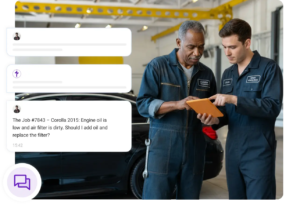
Riders want to know what’s happening to their bike. Torque360 motorcycle repair shop management software communication tools keep customers informed at every stage. Not because you have to call them, but because the system does it for you.
How Does Torque360 Cut the Time Between Estimate & Approval
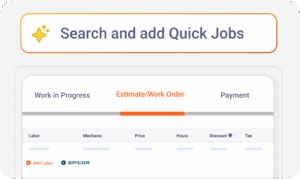
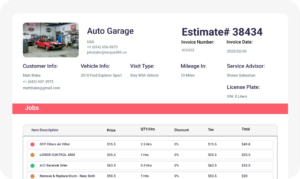
The fastest path to technician time on the bike is getting the customer’s approval without waiting for a callback. Torque360 motorcycle repair estimate software moves your estimate-to-invoice workflow into a single digital thread from labor guide lookup to signed invoice.

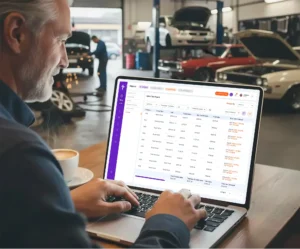
How Do Motorcycle Shops Track Parts Orders & Profitability
Ordering parts for a motorcycle job shouldn’t require leaving your software, calling a supplier, and manually updating a spreadsheet. Torque360 bike repair software connects parts ordering, inventory, and reporting into the same workflow your team already uses.
Why Auto Repair Shops Choose Torque360
What Makes TorquePay Different from
a Standalone Payment Terminal
Bolted-on payment terminals create reconciliation headaches. Payments that don’t match invoices, deposits you have to manually track, and no connection to your customer’s record. TorquePay lives inside the same workflow where the invoice was built.


Switching to Torque360 Doesn’t Mean Starting From Zero
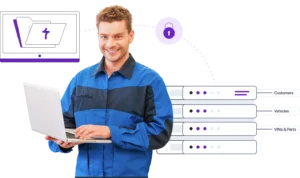
The biggest hesitation in changing software isn’t learning the new system. It’s worrying about losing years of customer records, vehicle histories, and parts/inventory. Torque360’s migration team handles the transfer so your shop goes live with your data already in place, not a blank slate.
Customer profiles, vehicle histories, and parts inventory are migrated by the Torque360 team. Once your data is live in Torque360, you have seven days to verify it’s complete and accurate. All migrated data is stored in the cloud with full backup protection.

Why Do 1,000+ Motorcycle Repair Shops
Choose Torque360
Not because of a feature checklist. Because the workflow actually fits how a motorcycle shop operates. Fast turnaround jobs, parts dependencies, seasonal demand spikes, and customers who want digital transparency on their bikes.


Every Tool Your Motorcycle Shop Needs.
Connected in One Platform.
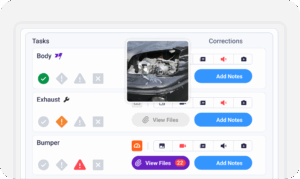
Torque360 motorcycle shop management software isn’t a collection of separate modules bolted together. Every feature below feeds into the same workflow, so your data doesn’t live in five different places.
See What Others Repair Shops Think About Torque360

“I’ve been in the auto repair business for over 10 years now and I’m amazed by this software. It’s good to see a breath of fresh air in the auto repair software market. 10/10”

“I’m a mechanic from Brisbane, Australia and I’ve been using Torque360 for over a year now. I have to say that this is by far the best motorcycle repair estimate software in the market. It caters to all auto repair shops and features all the features we need to keep our business afloat. The price point is affordable and it’s easy to learn.”

“Paperwork was a nightmare before I started using a motorcycle shop management software! I had to create all of my work orders, estimates, invoices myself and I never found a connection between them. Torque360 has helped me streamline the process, and has all of the features that I need for my auto repair shop. It’s been a game changer.”

“I manage a repair shop and have been looking for a good motorcycle estimating software solution. I tried Torque360 and I am glad to say it is the best so far. It has all the features that are needed and the availability of training videos was great. The support staff were knowledgeable and solved my issues right away!”

“Torque360 motorcycle repair cost estimator has everything a small auto repair shop would need to succeed and it’s so easy to use as well. I also love how it is constantly getting updated and improved with new features. 5 stars!”
“The best part about Torque360 is its ease of use. It’s easily one of the best motorcycle repair software out there. It even has a pretty fantastic invoicing system. I would highly recommend Torque360 to any other auto or motorcycle repair shop owner out there.”
“Torque360 is hands down the best motorcycle repair program in the market. It has all the features I need and it’s easy to use. My techs and I love the software just because of the convenience it brings to the table. Now I can’t imagine running my garage without it.”